The challenge
Why AI pilots so often fail to become products
The pattern is familiar: a promising AI use case gets championed internally, a vendor or team builds a demo, the demo looks impressive, and then nothing happens. Or worse — something is built, deployed, and quietly retired six months later.
The reasons vary, but they cluster around three failures.
The wrong question
The use case was defined around what AI can do rather than what the business actually needs. Technically impressive, operationally irrelevant.
The wrong build
A full-scale implementation was attempted before core assumptions were validated. Enormous time and cost to get it wrong.
The wrong evaluation
No clear criteria for success. The pilot continued — or was killed — based on opinion rather than evidence.
What we do
What a Rapid PoC with us looks like
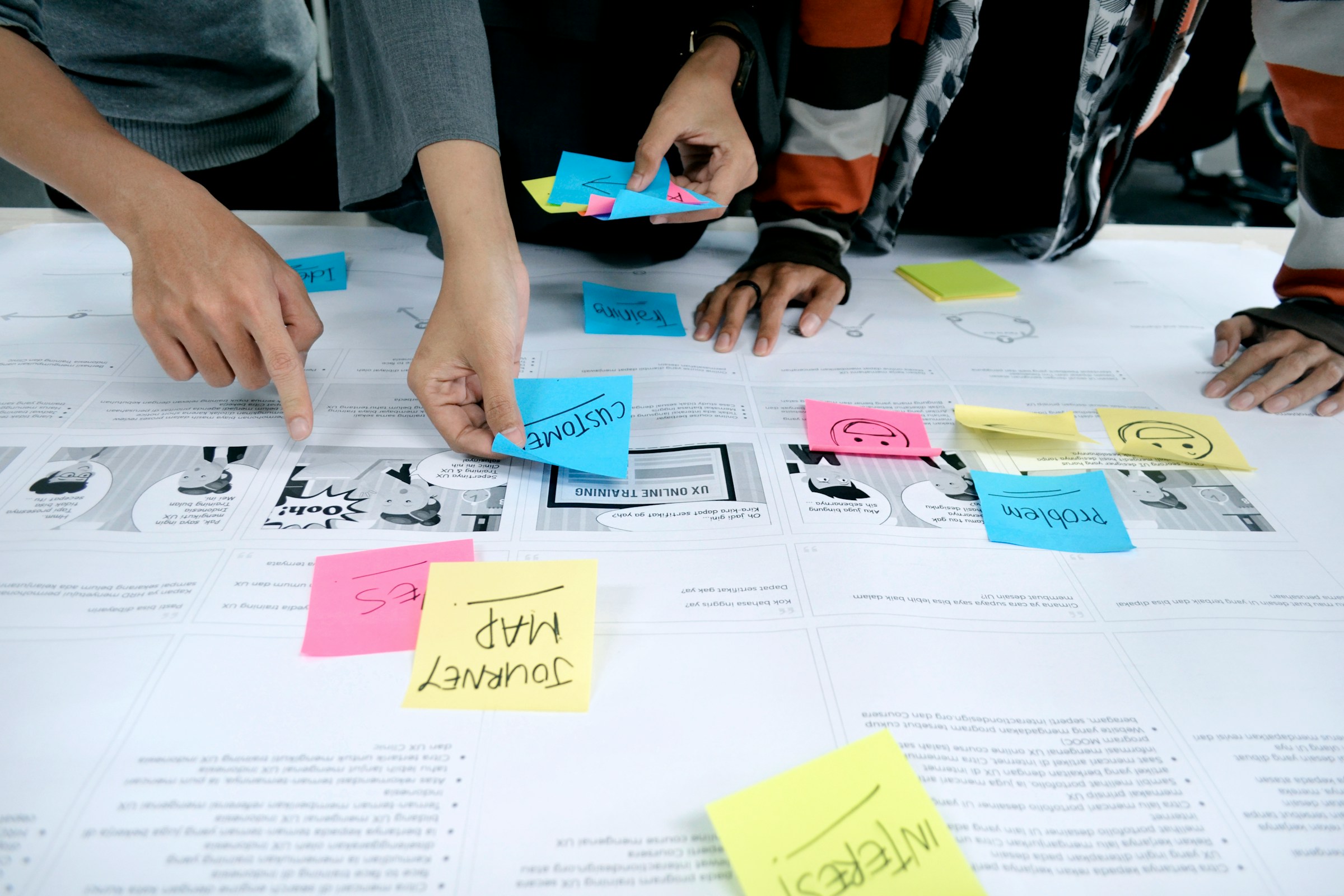
We scope, build, and evaluate a working prototype of your AI use case — using the latest GenAI tools and services — in a timeframe that lets you make a real decision without a major commitment.

Use Case Definition
Before we write a line of code, we work with you to sharpen the problem statement.
What does this need to do, for whom, in what context?
What does a good outcome look like versus a bad one?
This is the work most people skip — and it's where most PoCs are won or lost.

Prototype Build
We build a working, testable version of the solution — using the latest GenAI tools.
Not a slide deck, not a wireframe, not a vendor demo.
Something you can put in front of real users and get real feedback from.
Evaluation & Recommendation
We assess the prototype honestly against the criteria we defined upfront.
Does it work? Does it work well enough? What would it take to make it production-ready?
We give you a recommendation you can trust — including a recommendation not to proceed if that's the right call.
What you get
Outputs
Working Prototype
A functional, testable version of your AI use case — built on current GenAI tooling, scoped appropriately for the timeframe.
Evaluation Report
An honest assessment of what works, what doesn't, and what the path to production would require.
Build vs. Buy Analysis
If the use case is worth pursuing, we assess whether the right next step is internal development, vendor adoption, or a hybrid.
Technical Documentation
Architecture decisions, data requirements, integration considerations, and known risks.
Who this is for
A good fit if…
Teams with a specific AI use case they want to validate before committing to a full build
Innovation or digital transformation functions that need to demonstrate AI progress quickly and credibly
Organisations evaluating whether a vendor solution is actually the right fit before signing a contract
Product teams exploring how GenAI can extend or improve an existing product or workflow
How it works
A focused build, test, and decision cycle
We move from scope to build to testing and recommendation, keeping each stage short enough to learn quickly and decide with confidence.

Step 1
Scoping
We define the use case precisely, agree on evaluation criteria, and scope the prototype.
Step 2
Build
Iterative development using current GenAI tools in short cycles with regular check-ins.
Step 3
Test
User testing, edge case analysis, performance review against the criteria we set in Step 1.

Step 4
Evaluate & Recommend
Present findings and recommendation. If it doesn't support proceeding, we explain why — and what a better-scoped version might look like.